
Navigating the Digital Marketing Landscape for Business Growth (Part 1)
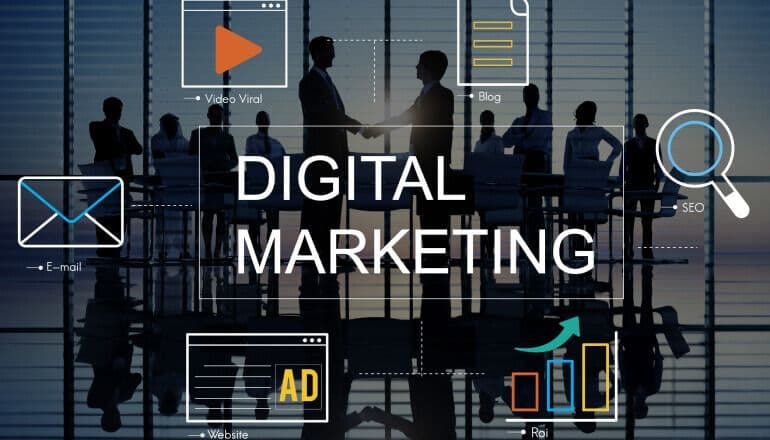
The digital marketing landscape is vast, dynamic, and constantly evolving. For businesses aiming to thrive online, understanding where to begin can feel overwhelming. That’s why we created this multi-part series—starting with Part 1, where we’ll break down the essential foundations of digital marketing: from SEO and SEM to content, social media, and email strategies.
Whether you’re a small startup or an established brand, mastering these fundamentals is the first step toward building a strong online presence and achieving measurable business success.
Why is Digital Marketing Important?
Digital marketing is crucial because it connects your business with your target audience where they already spend their time—online. Whether they’re searching on Google, scrolling through social media, or watching YouTube, digital marketing ensures your brand is seen at the right moment with the right message.
Another advantage is measurability. Unlike traditional advertising, digital campaigns can be tracked in real time. With analytics, you’ll know what’s working, what isn’t, and how to optimize for better results.
What Are the Different Types of Digital Marketing?
Search Engine Optimization (SEO)
SEO is the process of optimizing your website to rank higher on search engines like Google. When done right, it brings in organic traffic without paying for ads.
- On-Page SEO – optimizing content, keywords, and structure.
- Off-Page SEO – building backlinks and authority.
- Local SEO – targeting customers in your geographic area.
- Technical SEO – improving site speed, mobile-friendliness, and indexing.
Search Engine Marketing (SEM)
SEM focuses on paid advertising to increase visibility. With Pay-Per-Click (PPC) campaigns, you bid on keywords so your ads show up when users search for related terms. SEM provides:
- Immediate visibility
- Targeted audience reach
- Flexible budget control
It often works hand-in-hand with SEO for a balanced strategy.
Content Marketing
Content is the foundation of digital marketing. By creating valuable, relevant, and consistent content, you attract and retain your audience while driving conversions.
Common formats include:
- Blog posts
- Articles
- Infographics
- Videos
- Ebooks & whitepapers
Social Media Marketing
Social media platforms like Facebook, Instagram, LinkedIn, and X (Twitter) let you connect directly with your audience. The goal isn’t just promotion—it’s engagement.
Effective social strategies involve:
- Posting shareable, relevant content
- Running targeted ad campaigns
- Building communities and conversations
Email Marketing
Email remains one of the most cost-effective ways to reach your audience. From newsletters and promotions to transactional messages and re-engagement campaigns, email marketing allows for direct, personalized communication—as long as recipients have opted in.
Understanding the Digital Marketing Landscape
Understanding Your Target Audience
Every campaign starts with knowing who you’re speaking to. Ask:
- Who are my ideal customers?
- What problems do they want solved?
- What motivates their decisions?
Creating buyer personas—semi-fictional profiles of your ideal customers—helps tailor your messaging, content, and channels effectively.
Setting Clear Goals
Once you know your audience, set measurable goals. For example:
- Increase brand awareness by 10% in the next quarter
- Generate 100 new leads per month
- Increase website traffic by 20% in the next year
- Boost sales by 15% over two years
Goals guide your strategy and provide benchmarks for success.
Creating High-Quality Content
Your content should be:
- Informative
- Engaging
- Visually appealing
- Error-free
Remember—great content isn’t about selling, it’s about helping your audience solve problems.
Promoting Your Content
Creating content is just the first step—promotion ensures it reaches your audience. Common methods include:
- Sharing on social media
- Submitting to directories
- Running paid ads
- Email marketing
- Guest blogging
Tracking Your Results
Digital marketing is data-driven. Use tools like Google Analytics, social media insights, and email tracking to monitor performance. Then, refine your strategies based on what works best.
Conclusion
The key to success in digital marketing lies in being consistent, patient, adaptable, and data-driven. It takes time to build momentum, but with the right approach, your online presence can drive lasting growth.
This concludes Part 1 of our Digital Marketing series, where we focused on the foundations—SEO, SEM, content, social, and email marketing.
Stay tuned for Part 2, where we’ll dive deeper into advanced strategies, paid campaigns, and conversion optimization techniques to take your digital marketing to the next level.
Great marketing doesn’t just make a company look smart—it makes the customer feel smart. – Joe Chernov
Ready to take your skills further? Learn with Welup Digital’s expert-led courses, covering SEO, Social Media Marketing, Email Marketing, and more—designed to give you hands-on, project-based learning for real results.
Click here to start your journey to becoming a digital marketing expert.